What players say
World of Alice: The Bones offers a focused and effective way for children to learn the human skeleton. The game uses a clean interface and positive feedback to keep kids engaged. Each level builds on the last, ensuring steady progress without frustration. It is ideal for home or classroom use, and the lack of text makes it accessible to pre-readers. Replay value comes from mastering all bones and improving speed.
About this game
Game Introduction
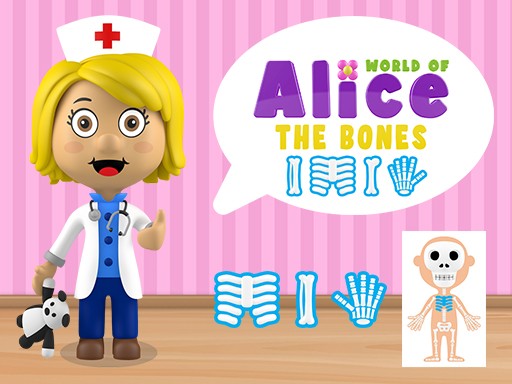
World of Alice: The Bones is an educational puzzle game designed to help children discover the human skeleton in a playful and interactive way. Developed by Nau.kids, this game turns anatomy into an adventure, allowing kids to learn the names and positions of bones using their favorite devices—cell phones, tablets, or computers. With colorful visuals and simple mechanics, it makes learning about the body both fun and effective. Perfect for young learners, this game encourages curiosity and builds foundational knowledge about human biology.
How to Play
Playing World of Alice: The Bones is easy and intuitive. Children are presented with a diagram of the human skeleton and are asked to identify specific bones by tapping on them. Each correct answer provides positive feedback, reinforcing learning. The game progresses through different levels, introducing new bones gradually to ensure comprehension. It is a self-paced experience that adapts to the child's skill level, making it ideal for independent learning or guided play with parents. No reading skills are required, as visual cues guide the way.
Game Features
Interactive bone identification. Kid-friendly interface with bright colors and simple controls. Multi-device support works on phones, tablets, and computers. Progressive difficulty introduces bones gradually. Positive reinforcement with encouraging sounds and visuals.
Tips for Success
Encourage children to take their time and explore each bone at their own pace. Regular practice helps reinforce memory of bone names and locations. Use the positive feedback as motivation to keep trying. For younger children, parental guidance can enhance the learning experience by discussing each bone in simple terms.