
Fun House Escape Puzzle
Reviews
Fun House Escape Puzzle delivers exactly what its name suggests: a bright, pressure-free escape room experience built on clicking, collecting, and combining. The lack of timers and fail states makes it welcoming for younger players and anyone who prefers to think without rush. Its main limitation is that it offers no hint system, so progress depends on your willingness to revisit rooms and test combinations. That design rewards patience but may frustrate those who want faster feedback.
About this game
Trapped in a Cheerful Fun House
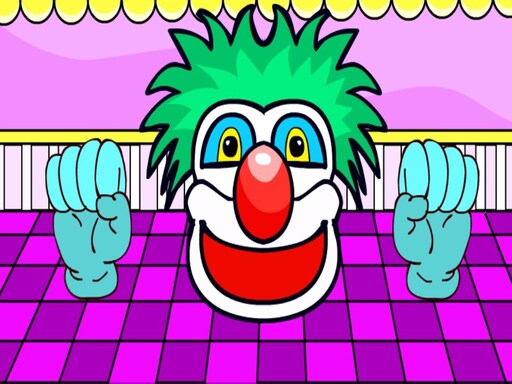
Fun House Escape Puzzle begins after a visit to a bright fun house leaves you locked inside. The only goal is to get out. Instead of action or reflexes, the game asks you to observe each room carefully and think through what you see. The setting is colorful and playful, which keeps the mood light even when a puzzle is tricky. There are no timers, no threats, and no penalty for experimenting, so you can work at your own pace.
Point, Click, and Collect
Every interaction uses the mouse. You click on objects and areas within a room to examine them. Some items go straight into your inventory when found. Others stay in the scene until you perform the right action, such as moving an object to reveal what is behind it. Clues are often visual rather than written, so paying attention to small details matters more than speed. If you click something and nothing happens, that object may become useful later.
Combining Items to Unlock Progress
Inventory management is a core part of the game. Certain items only become useful when combined with another item. For example, a key might need to be retrieved with a tool before it can open a lock. This creates a chain of small discoveries: find an item, notice where it might apply, and test combinations until something changes. Revisiting earlier rooms after finding new items is often necessary because a previously ignored object can suddenly become interactive.
Puzzle Variety and Difficulty
Puzzles range from simple observation tasks to multi-step logic problems. Some require you to spot a hidden object; others ask you to figure out the correct order or pairing. Because difficulty varies, the game can accommodate both newcomers and players who already enjoy point-and-click puzzles. There is no fail state, so a wrong guess costs nothing except the time to try again. That design keeps the experience relaxed while still offering a sense of accomplishment when a solution clicks.
✅ Compatibility & Testing
FAQ
Comments
Sign in to leave a review
No comments yet.



Editorial Notes