

Reflective Path Pony Puzzle
Reviews
Reflective Path Pony Puzzle succeeds by keeping its core mechanic simple and its difficulty curve gentle. Rotating mirrors to guide ponies toward a central point creates genuine spatial reasoning challenges, especially once obstacles and limited mirror counts appear. The lack of timers and penalties makes it welcoming for children, older adults, and anyone seeking a low-stress logic game. Its main limitation is that players wanting fast-paced or competitive puzzles may find the pace too slow.
About this game
How the Mirror Mechanic Works
Every puzzle begins with ponies placed along the outer edge of a grid. Your job is to rotate and position mirrors so each pony's path bends toward a single central meeting point. The twist is that one mirror can affect several routes at once, so a placement that helps one pony may send another in the wrong direction. That interdependence is what turns a simple grid into a genuine logic exercise.
Level Design and Difficulty Curve
Early boards keep things open: few ponies, plenty of space, and forgiving mirror placements. Later stages tighten the layout with narrow corridors, more ponies, and mirrors that only work in a specific order. Fixed obstacles and limited mirror counts appear as the game progresses, so each new puzzle asks you to plan further ahead without ever feeling like a sudden spike in difficulty. Solving a board unlocks the next tranquil woodland or meadow scene.
Atmosphere and Accessibility
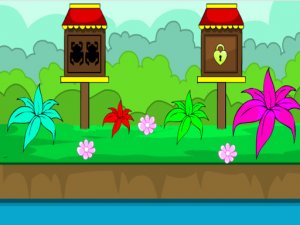
Soft pastel colors, gentle animations, and friendly pony characters keep the mood calm, while light melodic music and subtle placement sounds support focus rather than distraction. Controls are limited to taps or clicks for rotating and placing mirrors, which makes the game approachable for young children and older adults alike. Optional hints offer a nudge without revealing the full solution, and there is no timer or scoring penalty, so experimentation stays low-pressure.
Cognitive Skills in Play
The puzzles build spatial reasoning, pattern recognition, and sequential thinking. Because each mirror can influence multiple paths, players must visualize how routes will reflect and intersect before committing to a placement. That methodical, patient approach is the same skill set used in many real-world planning tasks, which gives the game practical value for parents and educators looking for an engaging screen-based activity.
Compatibility
FAQ
Comments
Sign in to leave a review
No comments yet.




Editorial Notes