

Hidden Chambers: A Dress-Up Puzzle Quest
Reviews
Hidden Chambers: A Dress-Up Puzzle Quest combines room exploration, logic puzzles, and costume unlocks into a calm, accessible experience. The absence of timers and failure states makes it welcoming for children and puzzle newcomers, while the gradual difficulty curve offers enough engagement for casual players. The hand-drawn castle rooms and integrated clues encourage careful observation. Its main limitation is a lack of competitive or fast-paced elements, but that aligns with its relaxing design.
About this game
Searching Rooms and Solving Puzzles
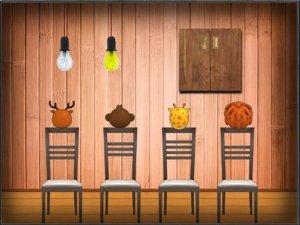
Hidden Chambers: A Dress-Up Puzzle Quest centers on examining detailed room scenes to find concealed items. Each discovery triggers a logic puzzle, such as pattern matching or simple sequencing. Puzzle complexity increases gradually, rewarding careful observation over speed. A built-in hint system prevents players from getting stuck, keeping the experience accessible for younger players and those new to puzzle games.
Castle Layout and Exploration
The castle setting includes multiple distinct rooms, each with its own visual theme and challenges. Some rooms focus on finding small objects tucked behind furniture, while others require rearranging elements to reveal hidden compartments. Clues are often integrated into the background art, so thorough exploration pays off. The hand-drawn style encourages players to slow down and appreciate each location.
Costume Unlocks and Progression
Completing puzzles and collecting items directly leads to new outfit options for the character. Each costume change marks a milestone in the adventure, giving players a clear sense of accomplishment. The dress-up element adds personalization, allowing players to choose how the character appears as they move through the castle. This feature keeps motivation high, especially for younger audiences who enjoy creative expression.
Accessibility and Player Comfort
The interface relies on simple point-and-click interactions, with drag-and-drop used for certain puzzles. No reading is required to understand the core mechanics, making it suitable for pre-literate children. The absence of timers or failure states means players can set their own pace, returning to partially solved rooms later without penalty. This design philosophy prioritizes relaxation over competition.
Compatibility
FAQ
Comments
Sign in to leave a review
No comments yet.






Editorial Notes