What players say
Pull Him Out Puzzle Game delivers a consistently enjoyable experience with its clever puzzles and charming scenarios. Each level feels fresh, encouraging creative thinking without frustration. The lack of time limits allows for relaxed problem-solving, and the family-friendly theme makes it suitable for all ages. Replayability is high due to the variety of situations, and the gradual difficulty curve ensures steady engagement. A solid choice for casual puzzle fans.
About this game
Game Introduction
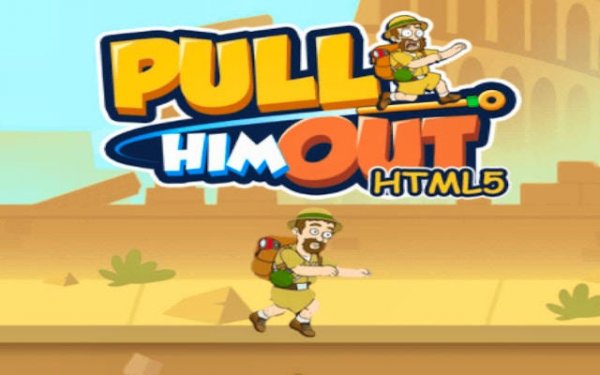
Pull Him Out Puzzle Game Online is a casual puzzle adventure where players assist a lovable character in escaping a variety of humorous and tricky situations. From messy backyards to whimsical candy-themed rooms, each level presents a new scene filled with interactive objects and hidden mechanisms. The game is designed to be accessible to everyone, from children aged 6 to adults, with no violent or scary content. It encourages creative problem-solving and observation, making it a perfect choice for a quick mental workout or a relaxing pastime.
How to Play
Playing Pull Him Out Puzzle Game is straightforward. Use your mouse or touchscreen to interact with the environment. Click on objects to move them, combine items, or trigger events in the correct sequence. Your goal is to clear a path for the character to exit safely. There are no time limits or penalties for wrong actions, allowing you to experiment freely. Observe each scene carefully, as clues are often hidden in plain sight. Progress through levels that gradually increase in complexity, offering new challenges without overwhelming difficulty.
Game Features
Brain-teasing puzzles that require logical thinking and observation. Intuitive controls designed for mouse or touchscreen devices. Progressive difficulty that introduces new mechanics gradually. Family-friendly scenarios with no violent or scary content. Free to play with no downloads or installations needed.
Tips for Success
Take your time to explore each scene thoroughly before making any moves. Look for patterns or sequences that might indicate the correct order of actions. Experiment with different interactions, as there are no penalties for mistakes. Pay attention to small details, as clues are often hidden in the environment. If you get stuck, try stepping back and re-evaluating the scene from a fresh perspective.