
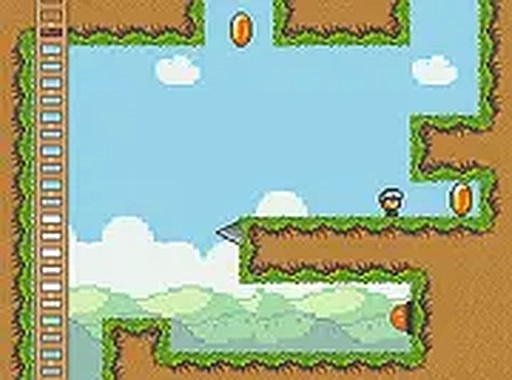
Coin Collector's Path: Classic Arcade Runner
Reviews
Coin Collector's Path keeps its scope tight: three coins per stage, 32 stages, and trophies that unlock the next set. That simplicity works in its favor for casual play, and the browser-based design removes setup barriers on desktop and mobile. The gradual difficulty curve avoids sudden spikes, though players seeking intense action may find the pace too relaxed. Its main strength is readable level design that makes hidden-coin hunting feel fair rather than frustrating.
About this game
Finding Three Coins Per Stage
The goal in Coin Collector's Path is simple: locate three coins hidden somewhere in each level. They might sit in plain sight or be tucked behind obstacles, so scanning the environment matters as much as jumping accurately. Collecting a full set awards a trophy, and that trophy unlocks the next group of stages. With 32 stages total, the structure gives players a clear milestone every few levels rather than one long, shapeless run.
Controls and Platform Availability
Movement uses arrow keys on desktop or on-screen buttons on mobile. Input response is quick, which helps with precise jumps and sudden direction changes. A full-screen mode is available for a less cluttered view. Because the game runs entirely in a web browser, there is no installation step and no account to create. That makes it easy to start a session on a computer or phone without setup friction.
Visual Clarity and Level Themes
Bright colors and simple character designs keep the screen readable. Each stage has its own visual theme, with backgrounds and platforms that shift as players advance. The uncluttered look serves a practical purpose: coins and obstacles stay easy to spot. For a game built around finding small objects, that visual discipline reduces frustration and keeps the focus on observation rather than fighting the interface.
Exploration and Replay Value
Hidden coins push players to check corners and routes they might otherwise skip. Some coins demand careful timing or a few attempts before the jump works. Replaying earlier stages can expose secrets missed the first time, which adds a discovery layer beyond basic platforming. The result is a game that rewards patience and a second look, not just speed.
Difficulty Curve and Progression
Early levels teach basic movement and coin placement. Later stages introduce more complex layouts and obstacles, but the increase is gradual rather than spiky. Trophies act as checkpoints, giving a sense of completion as new areas open. That pacing suits casual players who want steady progress without sudden walls.
Compatibility
FAQ
Comments
Sign in to leave a review
No comments yet.







Editorial Notes