
Tall Tiles: Giraffe Slide Puzzle
Reviews
Tall Tiles: Giraffe Slide Puzzle does one thing well: it turns a familiar sliding tile mechanic into a gentle picture assembly task. The giraffe photographs give each board a clear target, while adjustable grid sizes let players choose between a quick session and a longer challenge. The preview and reshuffle options reduce frustration without removing the need to plan moves. It suits players who enjoy spatial reasoning at a relaxed pace, though anyone seeking timed pressure or complex mechanics will find it deliberately simple.
About this game
Rebuilding the Image One Slide at a Time
Tall Tiles: Giraffe Slide Puzzle is a picture assembly game. Each tile holds a fragment of a larger photograph featuring giraffes in natural settings. The board has one empty space, and the only action is sliding a tile into that gap. Because every move shifts neighbouring pieces, players must think ahead about how one slide affects the rest of the layout.
Grid Size and Difficulty
Before starting, players choose from several grid configurations. A smaller grid with fewer tiles suits quick sessions or younger players. Larger grids require more steps and closer attention to how each piece connects to its neighbours. This adjustable setup lets the same puzzle concept serve different ages and skill levels without changing the core rules.
Visual Theme and Calm Tone
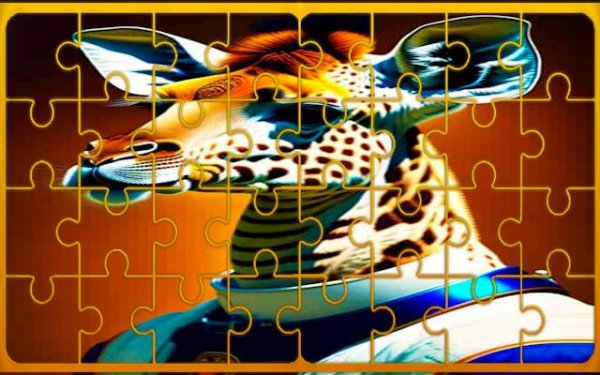
The photographs show giraffes in various settings, from close-up portraits to wider landscape views. These images give each puzzle a clear visual target and keep the focus on observation rather than speed. There is no timer or distracting element, so the experience stays relaxed and family-friendly.
Controls and Helpful Options
Tiles respond to clicks or taps, and movement feels direct. A preview button lets players check the completed image at any time, which helps when a section becomes hard to read. If the board gets too tangled, a reshuffle option randomises the tiles again. These tools support planning without removing the challenge.
What the Puzzle Asks of Players
Success depends on pattern recognition and spatial reasoning. Players learn to anticipate how moving one tile changes the positions of others, and they gradually build the full image by recognising how each piece connects. The game offers a low-pressure way to practise logical thinking.
Compatibility
FAQ
Comments
Sign in to leave a review
No comments yet.






Editorial Notes